Do You Have to Pay Back Florida Hometown Heroes?

When homebuyers learn they can receive up to $35,000 from the state for down payment assistance, their immediate reaction is usually: "What's the catch? Do I have to pay this money back?"It’s a smart question to ask. You should never sign your name to a real estate lien without knowing exactly how the debt settles.
Here is the straightforward reality of how the State of Florida structures this assistance.
*************************************************************************************
The Short Answer
The Florida Hometown Heroes program is not a forgivable grant. It is structured as a 0% interest, non-amortizing, 30-year deferred second mortgage. You do not make a single monthly payment on this money while you live in the house. However, the exact dollar amount you receive must be repaid in full when a capital event occurs—such as selling the property, refinancing your loan, or moving out.
*************************************************************************************
The Four Repayment Triggers
Because this assistance is recorded as a secondary lien against yourhome's title, it sits quietly in the background. No interest accumulates over time, so if you receive $20,000 to buy a home in Sanford today, you will owe exactly $20,000 a decade from now.
The full balance becomes due immediately if any of these four specific events take place:
[Trigger 1] Real Estate Sale➔Paid from closing proceeds.
[Trigger 2] Mortgage Refinance➔Paid during the first mortgage payoff.
[Trigger 3] Deed / Title Transfer➔Balance becomes immediately due.
[Trigger 4] Vacating Primary Residence➔Moving out or renting the home triggers repayment.
*************************************************************************************
What This Means for Your Equity
Because the loan does not compound interest, it doesn'teat away at your long-term equity growth.
I sat down with a local police officer who used $15,000 in assistance to purchase his home. Six years later, his family had grown, and they were preparing to sell the property. Because of the incredible market appreciation across Central Florida, his home value had grown by nearly $90,000. At the closing table, that original flat $15,000 was simply wired back to thestate's program pool, and he walked away with the remaining $75,000 in pure cash equity to put down on his next home.
It'salso worth noting that Florida Housing enforces a strict one-time participation rule per borrower. Once you use the program to close on a home, you cannot utilize any Florida Housing first or second mortgage products again on future properties.
*************************************************************************************
What You Should Do Next
If you think you may qualify, the next step is finding out which loan program fits your situation. Some buyers are better served by FHA, while others benefit from a conventional loan or VA financing. Understanding that difference before you start shopping can save you time and money.
If you're wondering whether this program fits your situation, let's review it before you start looking at homes. A short conversation now can help you avoid surprises later.
Apply Online:midfloridamortgage-rr.my1003app.com
Call or Text Rayce Robinson:(321) 377-4211
Learn More:www.MeetRayceRobinson.com
*************************************************************************************
About Rayce Robinson & Mid Florida Mortgage Professionals
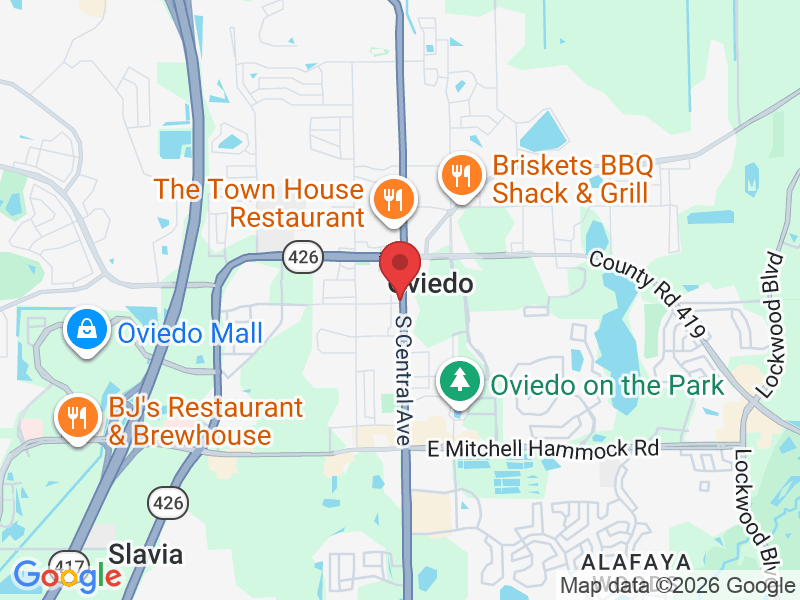
Rayce Robinson is the Owner and Lead Mortgage Broker at Mid Florida Mortgage Professionals | 235 S Central Ave, Oviedo, FL 32765 Click to open side panel for more information (NMLS #322615 / Corporate NMLS #1587074).
With over 20 years of local mortgage experience in Central Florida, Rayce specializes in helping homebuyers and owners across Oviedo (32765), Winter Springs, Chuluota, Geneva, and Seminole County secure low closing costs and competitive wholesale rates.
Mid Florida Mortgage Professionals is an independent wholesale mortgage brokerage owned by Rayce Robinson—completely independent and distinct from retail credit unions. As an independent broker, Rayce shops over 100 competing wholesale lenders on your behalf for Conventional, FHA, VA, Florida Hometown Heroes, DSCR, and Bank Statement loans.
Office Address: 235 S Central Ave, Oviedo, FL 32765
Google Business Profile: https://g.page/r/CfraNuIe8HMxEBM
Schedule a Call with Rayce Robinson: 321-377-4211
*************************************************************************************
Continue Learning
If you are researching the Florida Hometown Heroes program, you will find these companion guides in our handbook highly helpful:
What Is Florida Hometown Heroes? posted 7/16/2026
What Jobs Qualify for Florida Hometown Heroes? posted 7/22/2026
Florida Hometown Heroes Income Limits Explained: TBA vs. Bond posted 7/24/2026
FHA vs. Conventional vs. VA with Florida Hometown Heroes posted 7/27/2026
Is Florida Hometown Heroes Only for First-Time Homebuyers? posted 7/29/2026
How to Apply for Florida Hometown Heroes posted 7/31/2026
Do You Have to Pay Back Florida Hometown Heroes? posted 8/3/2026
Florida Hometown Heroes Underwriting Red Flags: Processing Errors and Repayment Realities posted 8/5/2026