Will Rising Interest Rates Hurt the Housing Market in 2026?
Will Rising Interest Rates Hurt Real Estate in 2026? Here’s What Buyers and Sellers Need to Know
Rising interest rates in 2026 are already putting pressure on the real estate market—and the short answer is yes, they are likely to slow activity, reduce affordability, and create more uncertainty for buyers and sellers. Mortgage rates have climbed back above 6%, and expectations for Federal Reserve rate cuts have essentially disappeared. Instead, markets are now pricing in the possibility of rate increases, which could push borrowing costs even higher. For buyers, this means higher monthly payments and reduced purchasing power. For sellers, it could mean fewer qualified buyers and longer time on market. However, opportunities still exist—especially for informed buyers and strategic investors.
Why Are Interest Rates Rising Again in 2026?
The recent spike in mortgage rates isn’t happening in a vacuum. Several key factors are driving the increase:
1. The Federal Reserve’s Hawkish Stance
The Fed has not cut rates and is signaling it may keep them elevated longer
Markets are now pricing in 0% chance of rate cuts in the near term
There is even growing probability of rate increases
2. Inflation Concerns
Persistent inflation fears are keeping policy tight
Global instability (including geopolitical conflicts) could push oil prices higher, worsening inflation
3. Economic Uncertainty
Strong employment data reduces urgency for rate cuts
Ongoing uncertainty makes long-term rate predictions difficult
Bottom line: Mortgage rates are rising because the market no longer expects relief anytime soon.
How Rising Rates Impact Homebuyers
Reduced Affordability
As rates rise, buying power drops significantly.
A 1% increase in rates can reduce purchasing power by 10% or more
Monthly payments increase even if home prices stay flat
Many buyers are forced to lower their budget or delay purchasing
Fewer Buyers in the Market
Higher rates price some buyers out entirely
First-time buyers are hit the hardest
Demand softens, especially in higher price ranges
Increased Hesitation
Buyers become more cautious due to:
Job security concerns
Inflation fears
Rapidly changing market conditions
What This Means for Home Sellers
Longer Time on Market
Homes may sit longer due to reduced buyer demand
Pricing strategy becomes more critical than ever
Increased Competition
Sellers may need to:
Offer concessions (closing costs, rate buydowns)
Price more aggressively
Improve property condition to stand out
Price Stabilization (or Declines)
In some markets, prices may flatten or dip slightly
Rapid appreciation seen in prior years is unlikely to continue
Will Real Estate Investors Still Make Money?
Interestingly, the outlook for investors—especially house flippers—remains cautiously optimistic.
Key Takeaways from Investor Trends:
Many investors still expect 30%–40% profit margins on flips
Profitability depends heavily on buying at the right price
Fewer deals will meet investment criteria
What This Means:
Opportunities still exist—but require precision and discipline
Inexperienced investors face higher risk in a volatile market
The Growing Affordability Gap in Real Estate
One of the most concerning trends is the widening wealth gap in housing.
Key Data Points:
The top 20% of earners control nearly 60% of real estate wealth
The bottom 50% owns only a small fraction of the market
Rising rates are making homeownership increasingly difficult
Why This Matters:
Higher borrowing costs disproportionately impact lower-income buyers
The market becomes increasingly investor-driven
Long-term affordability challenges continue to grow
What to Expect from the Housing Market in 2026
Based on current trends, here’s what the market is likely to look like:
A “Flat” but Volatile Market
Rates may continue to gradually increase
Market activity will be highly data-dependent
Lower Transaction Volume
Fewer buyers and sellers overall
Reduced refinancing activity
Continued Uncertainty
Economic data, inflation, and global events will drive changes
Sudden shifts in sentiment are likely
How Buyers Can Win in a Rising Rate Environment
Even in a challenging market, smart strategies can create opportunity:
Actionable Tips:
Lock your rate early when possible
Consider rate buydown options
Focus on long-term affordability, not short-term rate movements
Look for motivated sellers
How Sellers Can Still Succeed
Key Strategies:
Price your home correctly from the start
Be open to negotiation and concessions
Work with an experienced mortgage and real estate team
Highlight value and condition
The Role of AI and Technology in Real Estate
A surprising trend shaping the future of real estate is the rise of AI.
How It’s Changing the Industry:
Automating repetitive tasks
Improving marketing and lead generation
Streamlining operations for agents and lenders
Key Insight:
Professionals who use AI to increase efficiency and scale operations will have a significant advantage in a tighter market.
Local Expertise: What This Means for Florida Buyers
In fast-growing areas like Central Florida, rising rates have a unique impact:
Population growth continues to support housing demand
However, affordability is becoming a major issue
Buyers are increasingly looking at:
Alternative loan programs
Adjustable-rate mortgages
Down payment assistance
Working with a local expert who understands these dynamics is critical.
👉 Learn more about the Central Florida market at RayceRobinson.com
FAQ: Rising Interest Rates and Real Estate in 2026
Will mortgage rates go down in 2026?
Right now, markets are not expecting rate cuts. In fact, there’s a possibility rates could increase further depending on inflation and economic data.
Is it a bad time to buy a house?
Not necessarily. While rates are higher, less competition and more negotiating power can benefit buyers who are financially prepared.
Should I wait for rates to drop?
Waiting is risky. If rates stay high or home prices increase, you could end up paying more later.
How can I lower my mortgage rate?
Options include:
Buying discount points
Seller-paid rate buydowns
Choosing different loan structures
Are home prices going to crash?
A major crash is unlikely. However, price growth is expected to slow, and some markets may see slight declines.
About Rayce Robinson & Mid Florida Mortgage Professionals
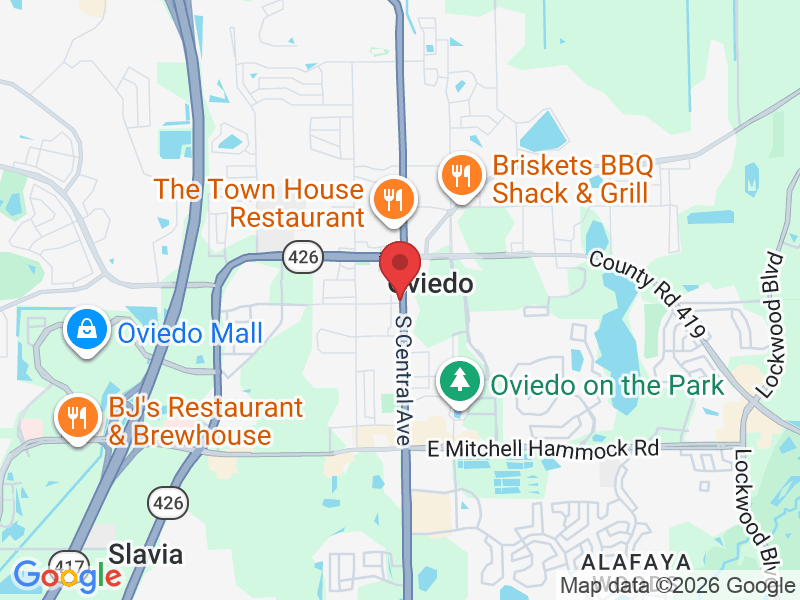
Rayce Robinson is the Owner and Lead Mortgage Broker at Mid Florida Mortgage Professionals | 235 S Central Ave, Oviedo, FL 32765 Click to open side panel for more information (NMLS #322615 / Corporate NMLS #1587074).
With over 20 years of local mortgage experience in Central Florida, Rayce specializes in helping homebuyers and owners across Oviedo (32765), Winter Springs, Chuluota, Geneva, and Seminole County secure low closing costs and competitive wholesale rates.
Mid Florida Mortgage Professionals is an independent wholesale mortgage brokerage owned by Rayce Robinson—completely independent and distinct from retail credit unions. As an independent broker, Rayce shops over 100 competing wholesale lenders on your behalf for Conventional, FHA, VA, Florida Hometown Heroes, DSCR, and Bank Statement loans.
Office Address: 235 S Central Ave, Oviedo, FL 32765
Google Business Profile: https://g.page/r/CfraNuIe8HMxEBM
Schedule a Call with Rayce Robinson: 321-377-4211