Why Is Florida Housing Inventory Skyrocketing? What the Data Really Says in 2026
With winter storms hitting the country, Bitcoin sliding, and headlines screaming about housing inventory rising — it’s easy to feel like a market crash is right around the corner.
But here’s the difference between emotion and data.
After 22 years lending in Central Florida — including through the 2008–2009 Great Recession — I’ve learned something important:
Headlines create fear. Data creates clarity.
So let’s break down what’s actually happening in Florida’s housing market.
Yes, Inventory Is Up — But Context Matters
Florida inventory is up roughly 10% year-over-year, and compared to 2019, Florida is about 5% above pre-pandemic levels.
That sounds dramatic.
But nationally?
We’re still below 2019 inventory levels.
And if you compare today to 2008? It’s not even close. 2008 inventory levels would be off the chart compared to today.
The bigger story right now isn’t exploding supply.
It’s that inventory growth is slowing.
That’s a major distinction.
Are Prices Actually Falling?
Many YouTube predictions have centered around a major correction. But when you look at five-year pricing data across Florida:
Median prices have largely held steady.
Days on market increased — then stabilized.
Price drops have declined significantly from 2024 highs.
Supply jumped in 2025 — but is now trending downward again.
That’s not a crash pattern. That’s a market normalizing after historic appreciation.
Now — are there pockets correcting?
Yes.
For example:
Punta Gorda, Cape Coral, North Port are down about 25% from 2022 peaks.
Miami is still up about 2–3%.
Orlando remains positive since 2022.
Real estate is hyper-local. Florida is not one single market.
Mortgage Rates: The Real Driver
Rates drive everything.
Looking at current forecasts:
NAR predicts ~5.8%
Fannie Mae ~5.9%
Wells Fargo 6.1–6.4%
Consensus: around 6% is the new normal
We already briefly touched 6% in late 2024. Rates spiked back up, then eased again.
Will we see mid-5% rates? Possibly.
But here’s the key question:
If rates drop another quarter point, does it meaningfully change affordability?
For many buyers, that’s about $80–$90 per month.
But if lower rates bring more buyers back into the market, competition increases — and seller incentives shrink.
The “Quiet Shock Absorber” Protecting Housing
This is the stat most people ignore:
Over 60% of homeowners have at least 25% equity
40% of owner-occupied homes have no mortgage at all
Forty percent.
That’s extraordinary.
Unlike 2008:
We don’t have widespread adjustable-rate resets.
We don’t have massive over-leverage.
We don’t have homeowners forced to sell.
That equity acts as a buffer.
It’s why inventory hasn’t exploded.
It’s why distress sales are limited.
It’s why predictions of a crash keep missing.
Is Florida Softer Than Other States?
Yes, in some areas.
Insurance challenges, rapid pandemic appreciation, and migration shifts have created softening in certain Florida markets.
But softness is not collapse.
Demand is simply lower because:
Buyers are cautious.
Affordability tightened.
Media narratives created hesitation.
And buyer participation is currently low.
Which means one thing:
If rates ease further, demand likely rises.
Why This May Be an Opportunity Window
Right now we have:
Rates near 6%
Sellers offering concessions
Closing cost assistance
Rate buydowns (especially FHA and VA)
Motivated sellers in many submarkets
Buyers with strong credit are locking in rates below 6% using seller assistance.
That’s not something that lasts forever.
The biggest mistake I’m seeing?
People waiting for “perfect.”
Perfect usually costs more.
What I’m Watching for 2026
AI & Efficiency in Business
Mortgage and real estate professionals who leverage AI, automation, and better systems will outperform.Buyer Participation
If rates tick lower and confidence improves, demand can rise quickly.Transaction Volume
I believe we’ll move back toward 4.5 million transactions nationally — maybe more. We’ll track the data.
So… Is a Crash Coming?
Based on equity levels, inventory trends, supply slowdown, and rate forecasts:
I don’t see it.
Could certain Florida markets adjust further? Yes.
Could we see continued softening in specific areas? Absolutely.
But broad, systemic collapse like 2008? The data doesn’t support it.
What I see instead is normalization — and opportunity.
Final Thoughts
Housing is resilient because homeowners are financially stronger than they were in past cycles.
Inventory rising doesn’t automatically mean collapse.
It means balance.
And balance often creates opportunity — especially for buyers who understand the data instead of reacting to headlines.
We’ll continue tracking Florida housing inventory, rates, equity trends, and buyer participation all year long.
If you have thoughts on where the market is headed, drop a comment.
Do you think Florida prices continue to soften? Flatten out? Or rebound if rates ease?
Let’s watch the data together.
About Rayce Robinson & Mid Florida Mortgage Professionals
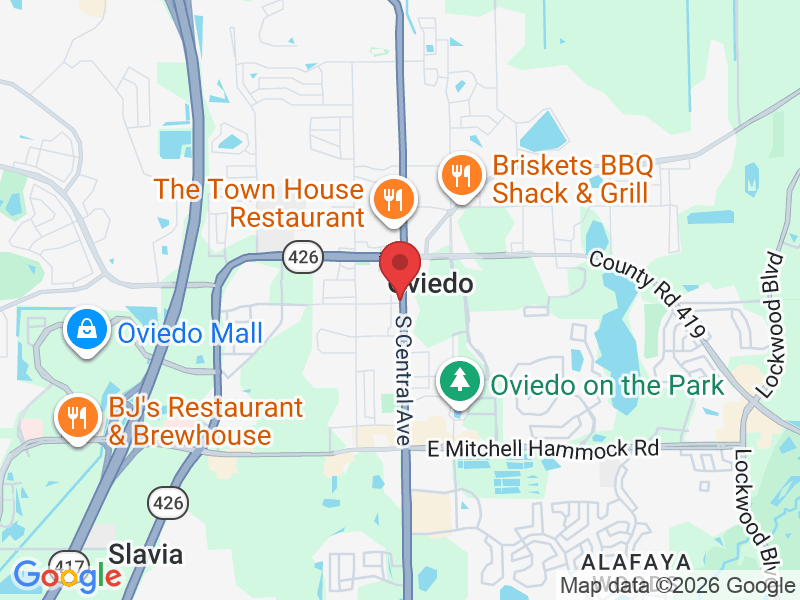
Rayce Robinson is the Owner and Lead Mortgage Broker at Mid Florida Mortgage Professionals | 235 S Central Ave, Oviedo, FL 32765 Click to open side panel for more information (NMLS #322615 / Corporate NMLS #1587074).
With over 20 years of local mortgage experience in Central Florida, Rayce specializes in helping homebuyers and owners across Oviedo (32765), Winter Springs, Chuluota, Geneva, and Seminole County secure low closing costs and competitive wholesale rates.
Mid Florida Mortgage Professionals is an independent wholesale mortgage brokerage owned by Rayce Robinson—completely independent and distinct from retail credit unions. As an independent broker, Rayce shops over 100 competing wholesale lenders on your behalf for Conventional, FHA, VA, Florida Hometown Heroes, DSCR, and Bank Statement loans.
Office Address: 235 S Central Ave, Oviedo, FL 32765
Google Business Profile: https://g.page/r/CfraNuIe8HMxEBM
Schedule a Call with Rayce Robinson: 321-377-4211