Are Home Prices Rising Again? What 2026 Housing Data Says About the Market
Are Home Prices Rising Again?
Yes — home prices appear to be rising again in many markets, though the pace varies by location. Recent housing data shows national home price appreciation around 1.3% year-over-year, but when looking at recent months the trend is stronger.
If the most recent three to four months of price growth were annualized, home price appreciation would be closer to 4.6%–5.3% per year.
Mortgage rates are the primary factor driving this shift. When rates rose above 7%, demand slowed and prices softened. As rates moved back toward the 6% range, demand improved and prices began rising again.
In other words, the housing market did not crash — it paused and adjusted, and many experts expect gradual appreciation to continue if rates fall further.
What Caused Home Prices to Slow Down?
Over the past several years, the housing market has experienced significant volatility. The pandemic created historic demand, record-low mortgage rates, and rapid home price growth.
Then several factors cooled the market:
Key factors that slowed price growth
Mortgage rates climbing above 7%
Lower buyer participation
Increased housing inventory in some markets
Economic uncertainty
Media speculation about a housing crash
Despite these concerns, the data shows that most markets experienced moderate slowing rather than a major correction.
Mortgage Rates: The Biggest Driver of Home Prices
Mortgage rates are the single most important factor influencing home price movement.
When rates increase:
Monthly payments rise
Buyer demand falls
Price growth slows
When rates decrease:
Payments become more affordable
Buyer demand increases
Home prices typically rise
Recent forecasts suggest mortgage rates could stabilize around 6% in the near term, with some economists predicting mid-5% rates later in the year.
If that happens, the housing market could see stronger appreciation again.
Recent Home Price Data Explained
National housing data from the Case-Shiller Home Price Index shows modest appreciation when looking year-over-year.
However, when breaking the data down month-by-month, a different trend appears.
Recent appreciation trends
Annual appreciation (headline): 1.3%
Last 4 months annualized: 4.6%
Last 3 months annualized: 5.3%
Why the difference?
The year-over-year number includes months when mortgage rates were near 7% or higher, which slowed demand.
As rates declined, prices began climbing again.
Is the Housing Market Healthy?
Another important question is whether homeowners are facing financial stress similar to the 2008 housing crash.
The current data suggests the opposite.
Key housing market health indicators
Homeowners underwater
Only 2.1% of homeowners owe more than their home is worth.
For comparison:
In 2009, about 23% of homeowners were underwater.
That’s a massive difference.
Foreclosure rates
Mortgage delinquencies remain historically low.
Current numbers show:
30-day late payments: about 3.85%
90-day delinquency: under 1%
The 90-day delinquency rate is the most important indicator of financial distress, and right now it remains extremely low compared to historical averages.
Why the Housing Market Is More Stable Today
One reason the housing market is resilient today is homeowner equity.
Millions of homeowners purchased or refinanced during the ultra-low interest rate period between 2020 and 2022.
That means:
Many borrowers have sub-4% mortgage rates
Homeowners have built significant equity
Few homeowners are forced to sell
Because of this, the housing market is much more stable than during previous downturns.
Local Market Example: Florida Housing Trends
Housing markets behave differently depending on location.
Florida is one of the most active real estate markets in the country, but it has also seen more inventory growth than many other states.
Some Florida cities have experienced modest appreciation, while others have seen price adjustments since the 2022 peak.
Examples include:
Miami: still slightly above 2022 pricing
Orlando: modest appreciation
Some Southwest Florida areas: corrections after pandemic price spikes
Even with these adjustments, the overall market remains stable due to strong population growth and demand.
Mortgage Programs Helping Buyers Right Now
Many buyers are surprised to learn that financing options have improved significantly.
Creative mortgage solutions are helping buyers afford homes even with higher rates.
Popular programs in 2026
Rate buydowns
Seller paid closing costs
FHA loans
VA loans
First-time buyer programs
Bank statement loans for self-employed buyers
These strategies allow many buyers to secure mortgage rates well below market averages.
FAQ: Housing Market & Mortgage Questions
Are home prices rising again in 2026?
Yes. Recent housing data suggests prices are increasing again, especially as mortgage rates stabilize near 6%.
Will home prices crash like 2008?
Current data does not support this scenario. Foreclosures, delinquencies, and underwater mortgages remain historically low.
What mortgage rates are expected in 2026?
Many economists expect mortgage rates between 5.5% and 6%, depending on inflation and Federal Reserve policy.
Is now a good time to buy a home?
For many buyers, current conditions offer opportunities through seller concessions, rate buydowns, and expanded loan programs.
Why do mortgage rates affect home prices?
Lower rates increase affordability, bringing more buyers into the market and pushing prices upward.
About Rayce Robinson & Mid Florida Mortgage Professionals
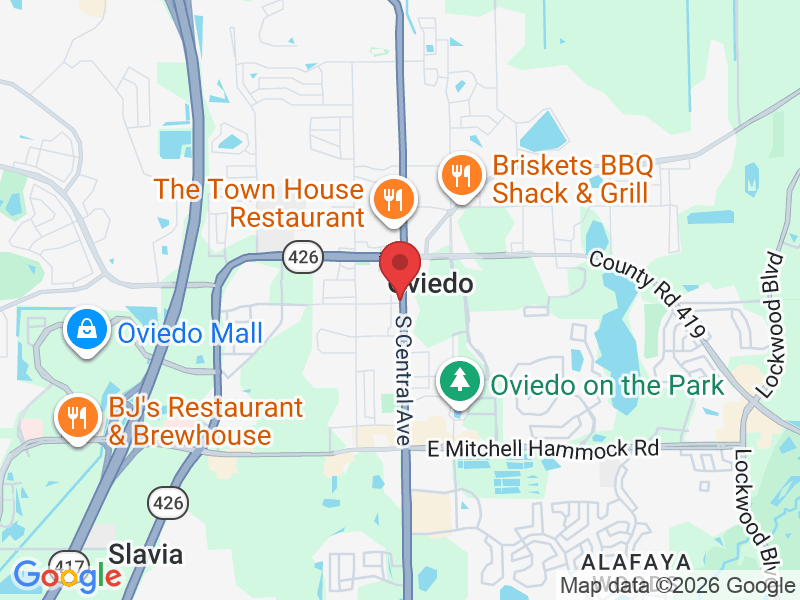
Rayce Robinson is the Owner and Lead Mortgage Broker at Mid Florida Mortgage Professionals | 235 S Central Ave, Oviedo, FL 32765 Click to open side panel for more information (NMLS #322615 / Corporate NMLS #1587074).
With over 20 years of local mortgage experience in Central Florida, Rayce specializes in helping homebuyers and owners across Oviedo (32765), Winter Springs, Chuluota, Geneva, and Seminole County secure low closing costs and competitive wholesale rates.
Mid Florida Mortgage Professionals is an independent wholesale mortgage brokerage owned by Rayce Robinson—completely independent and distinct from retail credit unions. As an independent broker, Rayce shops over 100 competing wholesale lenders on your behalf for Conventional, FHA, VA, Florida Hometown Heroes, DSCR, and Bank Statement loans.
Office Address: 235 S Central Ave, Oviedo, FL 32765
Google Business Profile: https://g.page/r/CfraNuIe8HMxEBM
Schedule a Call with Rayce Robinson: 321-377-4211